
The McQuirey-Atlas
What is the McQuirey Atlas?
The McQuirey Atlas is a structural framework for understanding and navigating human complexity.
A structural approach to navigating human complexity. We live in a time where knowledge is growing rapidly — but orientation is not. There are countless models explaining how we think, act, communicate, and decide. Yet in everyday life, many people experience the opposite of clarity:
- Too much information.
- Too many options.
- Too little direction.
The problem is not a lack of knowledge.
The problem is fragmentation.
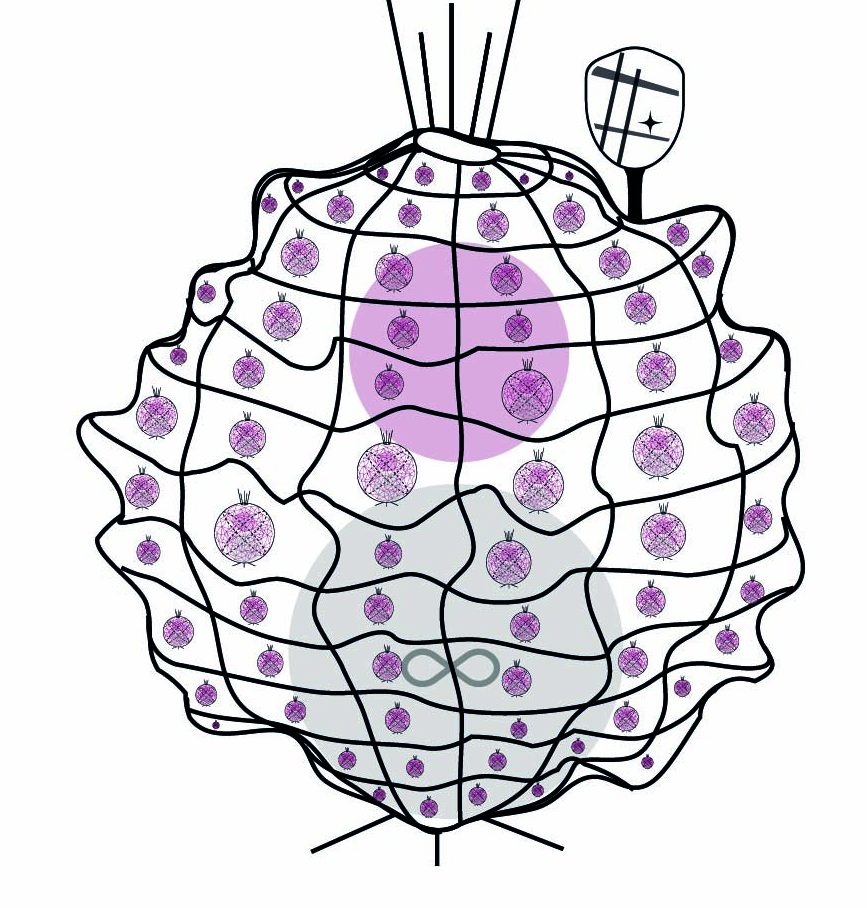
How the Atlas Works
The Atlas does not describe isolated aspects of human behavior. It maps a system of interacting fields that operate simultaneously. Each situation can be located across multiple dimensions, including:
- thinking and perception
- focus and attention
- language and expression
- relationships and roles
- action and decision-making
- time, rhythm, and environment
- body and physical regulation
- everyday structure and habits
These dimensions do not function separately. They influence each other continuously.
The Atlas makes these interactions visible — and therefore understandable.
Most models focus on one aspect of the human experience:
- cognition
- behavior
- emotions
- communication
- physical health
Each of them is valuable. But real life does not happen in isolated parts. Thought, body, perception, relationships, and everyday structures interact simultaneously.
What is missing is not another model — but a way to connect them.
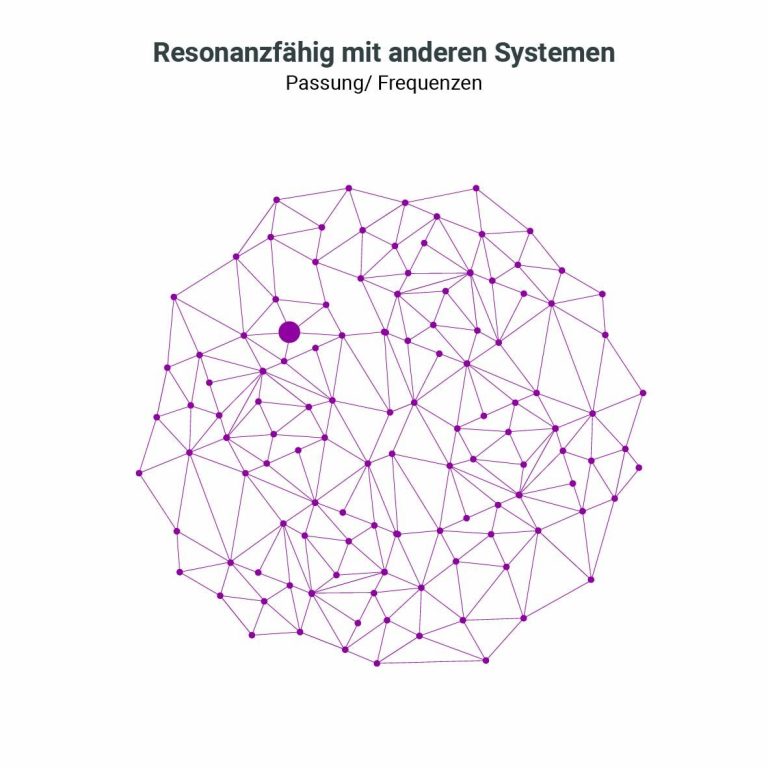
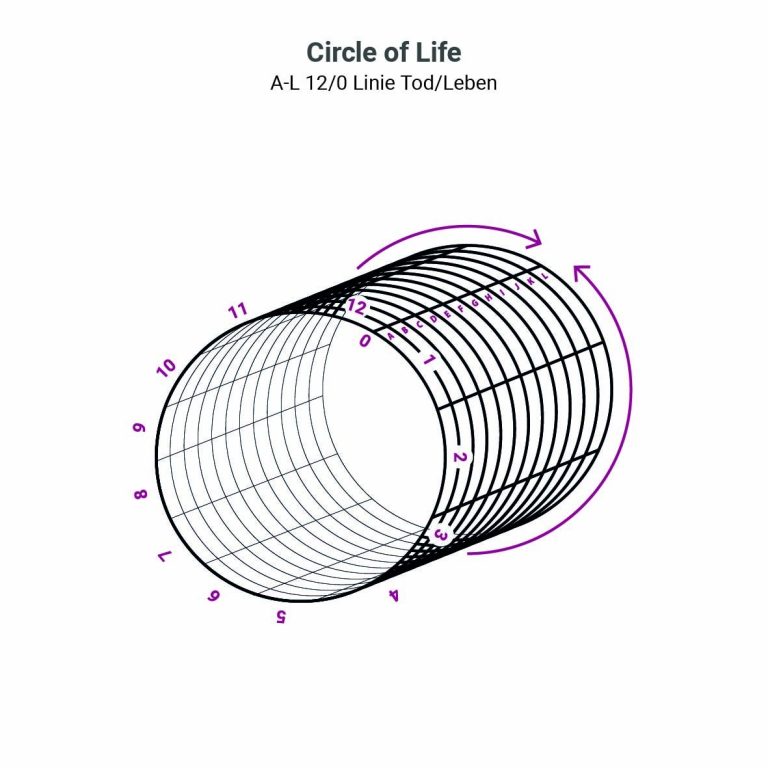
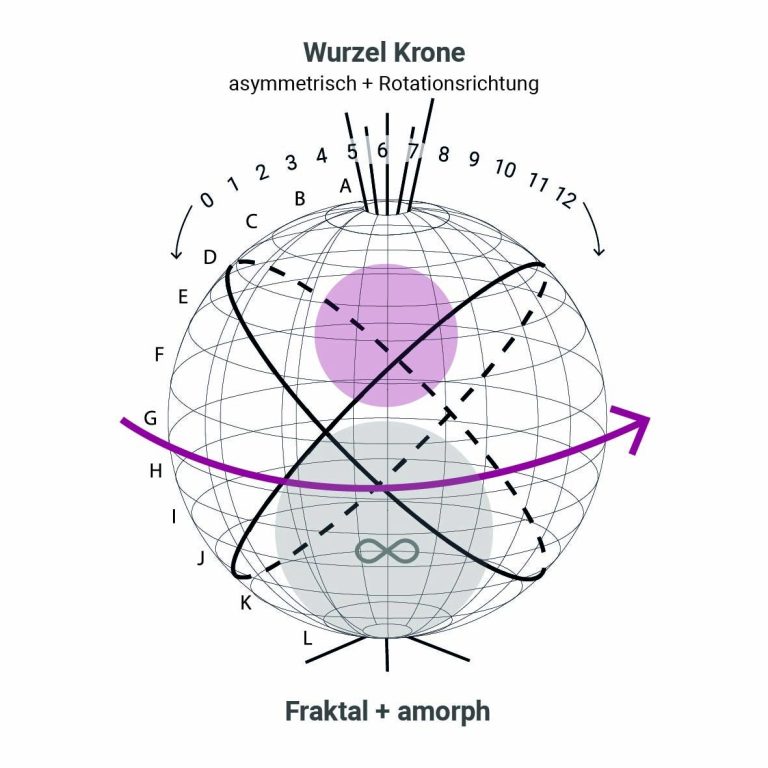
NEW fractal - amorphous Resonance-based system of human-being
Architectur of Human-Being
McQuirey-Atlas helps to:
understand
where a situation is actually sits
identify
interactions across different levels
recognize
imbalance instead of isolated symptoms
create clarity
for decisions and action
Why it matters
In complex environments, problems rarely exist in isolation. What appears as a single issue is often the result of multiple interacting dynamics.
Without a structural perspective:
- symptoms are treated instead of causes
- decisions are made without full context
- change remains unstable
The Atlas shifts the perspective from isolated problems - to systemic orientation.
Applications
The Atlas can be applied across different contexts:
- individual decision-making and self-orientation
- leadership and organizational complexity
- communication and relationship dynamics
- health, regulation, and imbalance
- human–AI interaction and information processing
It provides a way to understand where a situation is located — and what influences it.
In the Context of AI
With the rise of artificial intelligence, the volume and speed of information are increasing rapidly.
However, orientation does not scale automatically.
The challenge is no longer access to knowledge — but the ability to structure and integrate it.
The Atlas addresses this gap by focusing on human architecture, not just information processing.
The Atlas is an attempt to address exactly this gap
Not by adding another model, but buy structuring waht already exists.
In an increasingly complex world -especially with the rise of AI and accelerated information flow - the ability to orient becomes more important than the ability to know.
ongoing
It is not a final answer.
It is a working structure.
A way to see connections where previously only fragments existed.
A Working Structure
The McQuirey Atlas is not a final answer. It is an evolving framework designed to make complexity navigable.
Its value lies not in explaining more — but in making things locatable, connectable, and actionable.
Articles
04/2026
McQuirey-Atlas: We know more than ever - and still move less
Understand human complexity through a structural framework that connects thinking, behavior, and decision-making in an increasingly complex world.
Future Clusters & Development Spaces
The McQuirey-Atlas explores open resonance and future-oriented clusters related to:
• Human-AI interaction
• Human systems
• Resonance architectures
• Learning and developmental environments
• Semantic systems
• Organizational and future models
This space serves as an open environment for observing, exploring and developing future interaction and resonance architectures.

About
Marion Koziol
Strategic concept developer and founder of the McQuirey Atlas®. Her work combines AI business case verification, innovation, complex systems, knowledge architecture and pattern-based reference frameworks.